

A year ago, Australia became the first country in the world to set a minimum age of 16 for social media accounts. Since 10 December 2025, platforms such as Instagram, TikTok, Snapchat, YouTube and Facebook have had to take “reasonable steps” to stop under-16s from holding their own accounts.
For most families, the debate has been about screen time and wellbeing. For parents of children who model or act, there’s a more practical question underneath it:
If my child can’t have Instagram or TikTok, how will anyone discover them?
Here’s the reassuring answer: children in Australia have never been cast because of their follower count. Here’s what has changed, what hasn’t, and what you can do this summer to keep your child visible, safe and ready for work.
What the law actually does (and doesn’t do)
The Online Safety Amendment (Social Media Minimum Age) Act 2024 puts the responsibility on platforms, not on parents or kids. There are no fines for families. Platforms that fail to take reasonable steps face penalties of up to A$49.5 million.
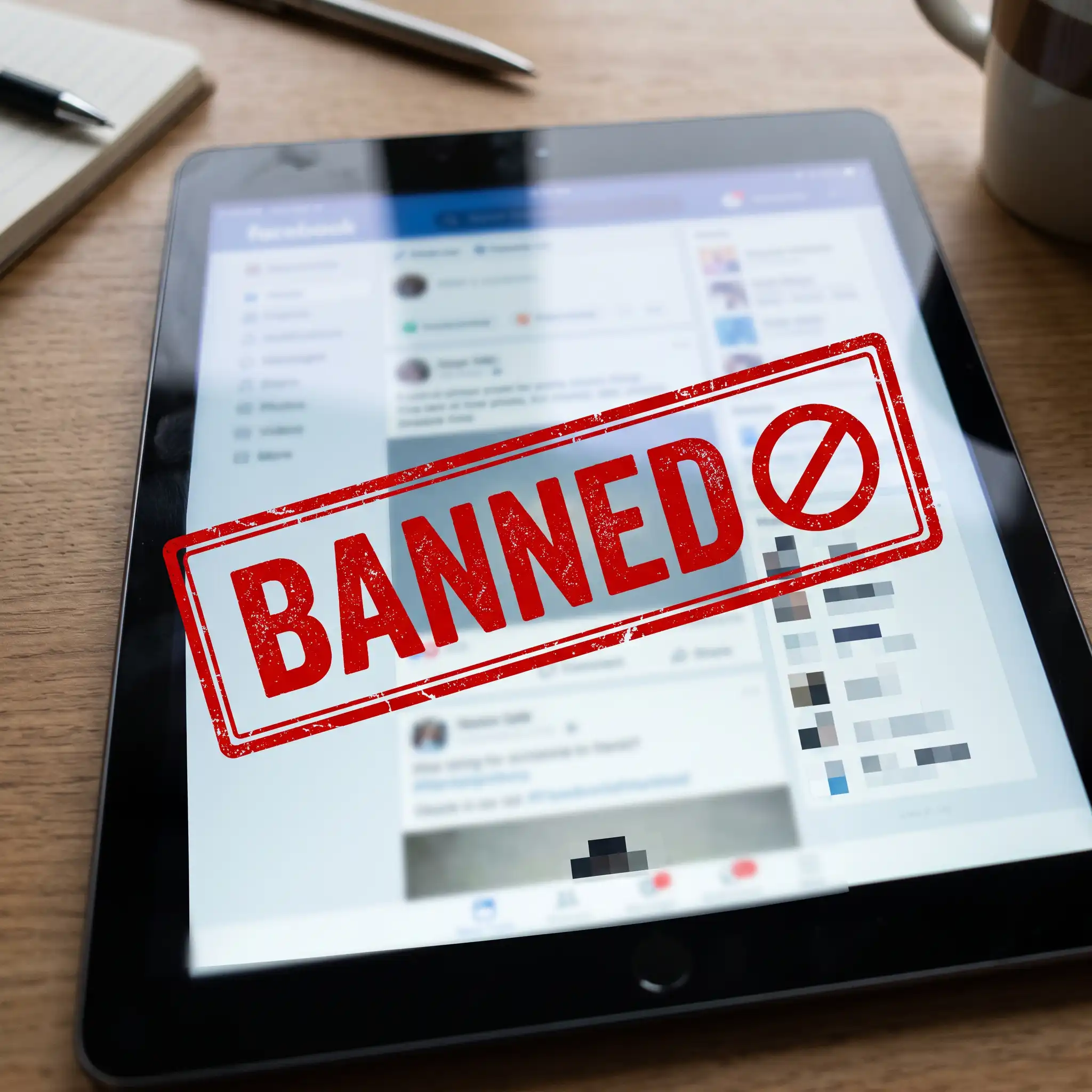
The law is about under-16s holding their own accounts. In practice, that means:
- Your child shouldn’t have their own Instagram, TikTok, Snapchat or similar account.
- Messaging apps, online gaming and some education and health services are treated differently. Check the eSafety Commissioner’s website for the current list.
- Each platform also has its own rules about content showing children, so read the platform’s terms before you post.
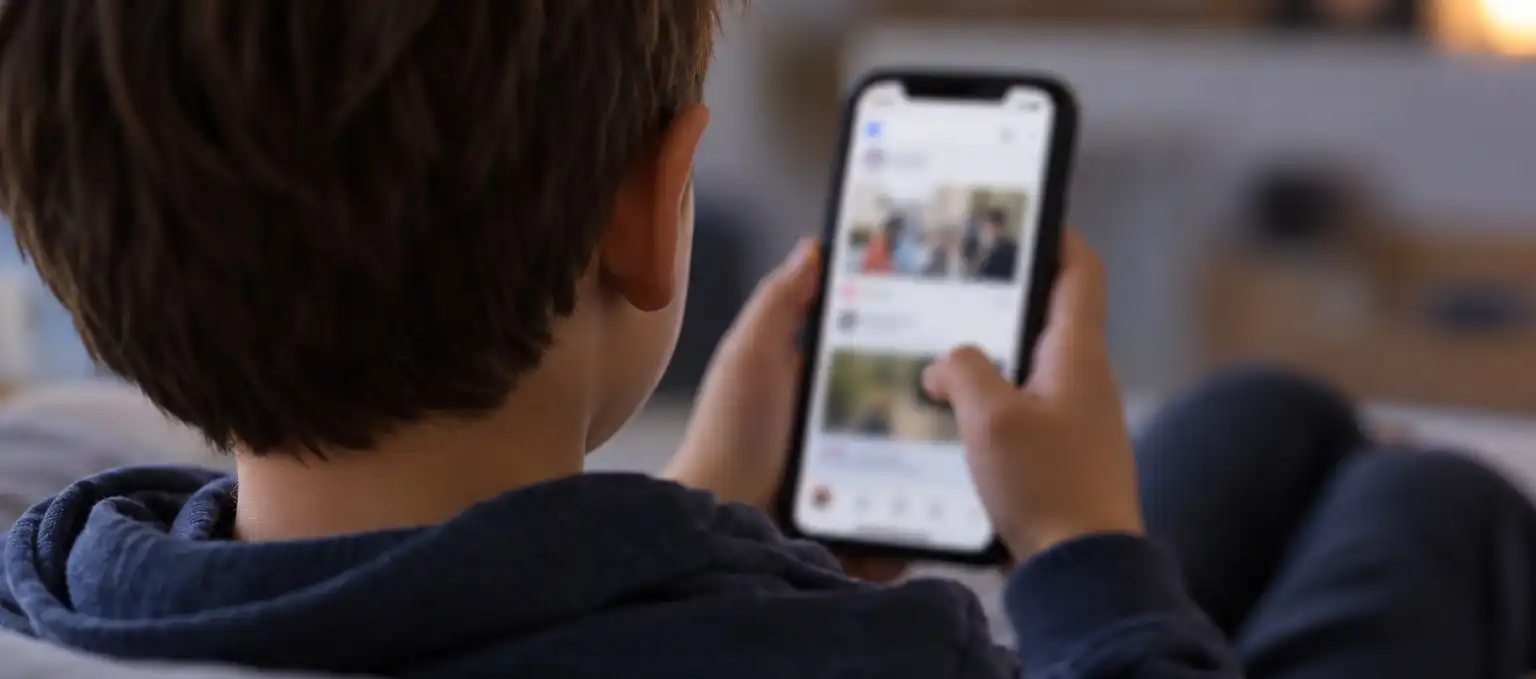
It hasn’t been perfect. In its early compliance updates, eSafety reported that platforms removed access to around 4.7 million under-16 accounts in the first weeks. Later reports found many young people still had, or had re-created, accounts. Expect more enforcement news around the one-year anniversary, and expect platforms to keep tightening age checks.
What this means for you: don’t build your child’s career on a channel that could be shut down overnight.
“But isn’t social media how kids get scouted?”
It’s a common myth, and it’s worth clearing up.
Casting directors and clients booking children for TV commercials, catalogues, film and print don’t search Instagram to find kids. They send a brief to the agencies they trust. Agents then put forward children who match the brief on age, look, availability and experience.
What gets a child seen is:
Most first-round auditions now happen by self-tape. If you’re travelling, pack:
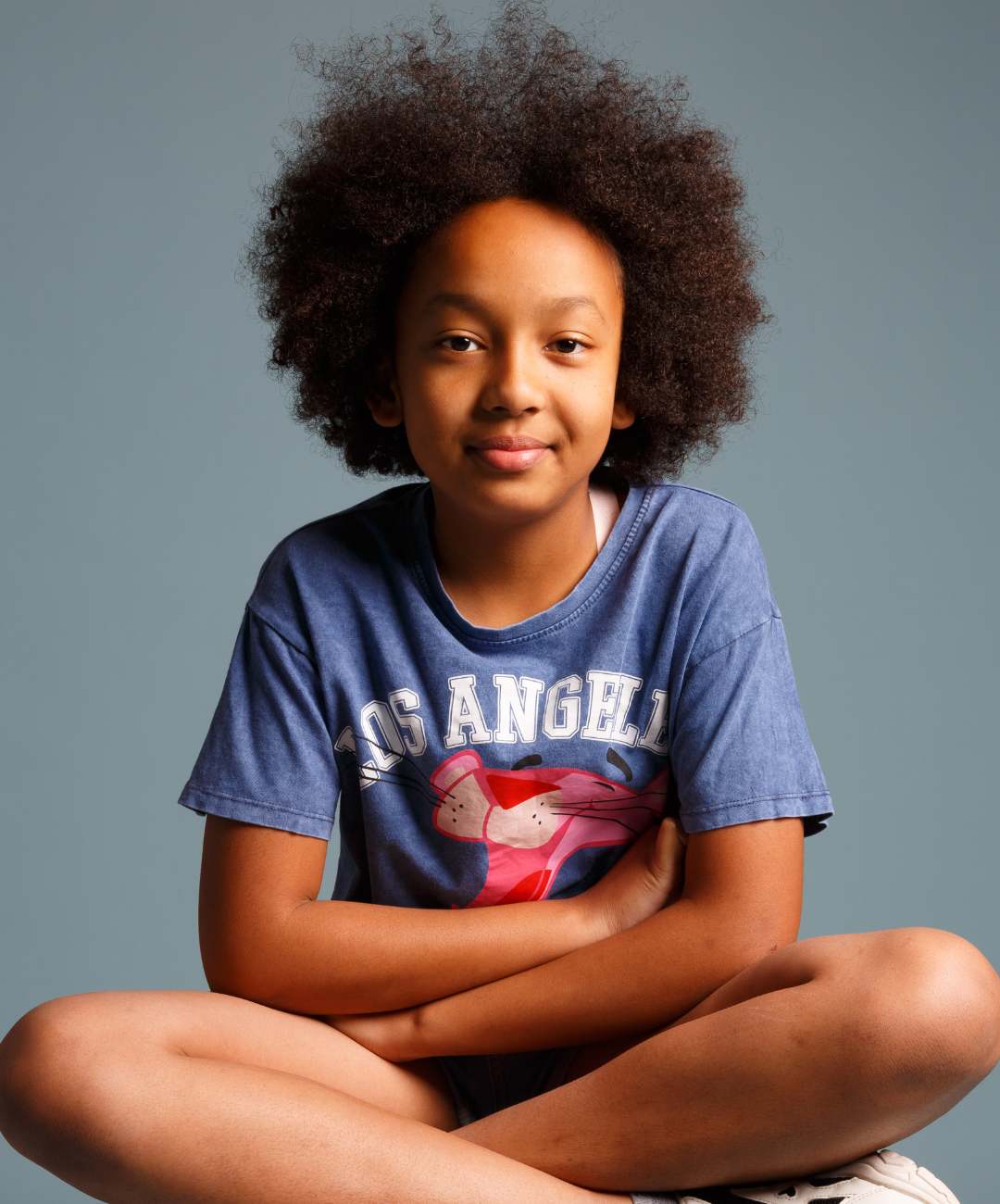
1. Current, natural photos on their agency profile. Kids change fast, so photos need updating regularly.
2. Availability. Many jobs come with only a day or two’s notice. The child who’s available gets the call.


3. A great self-tape. Most first-round auditions now happen at home on a phone.
4. Reliability. Turning up on time, prepared and happy. Clients remember the families who make their day easier.
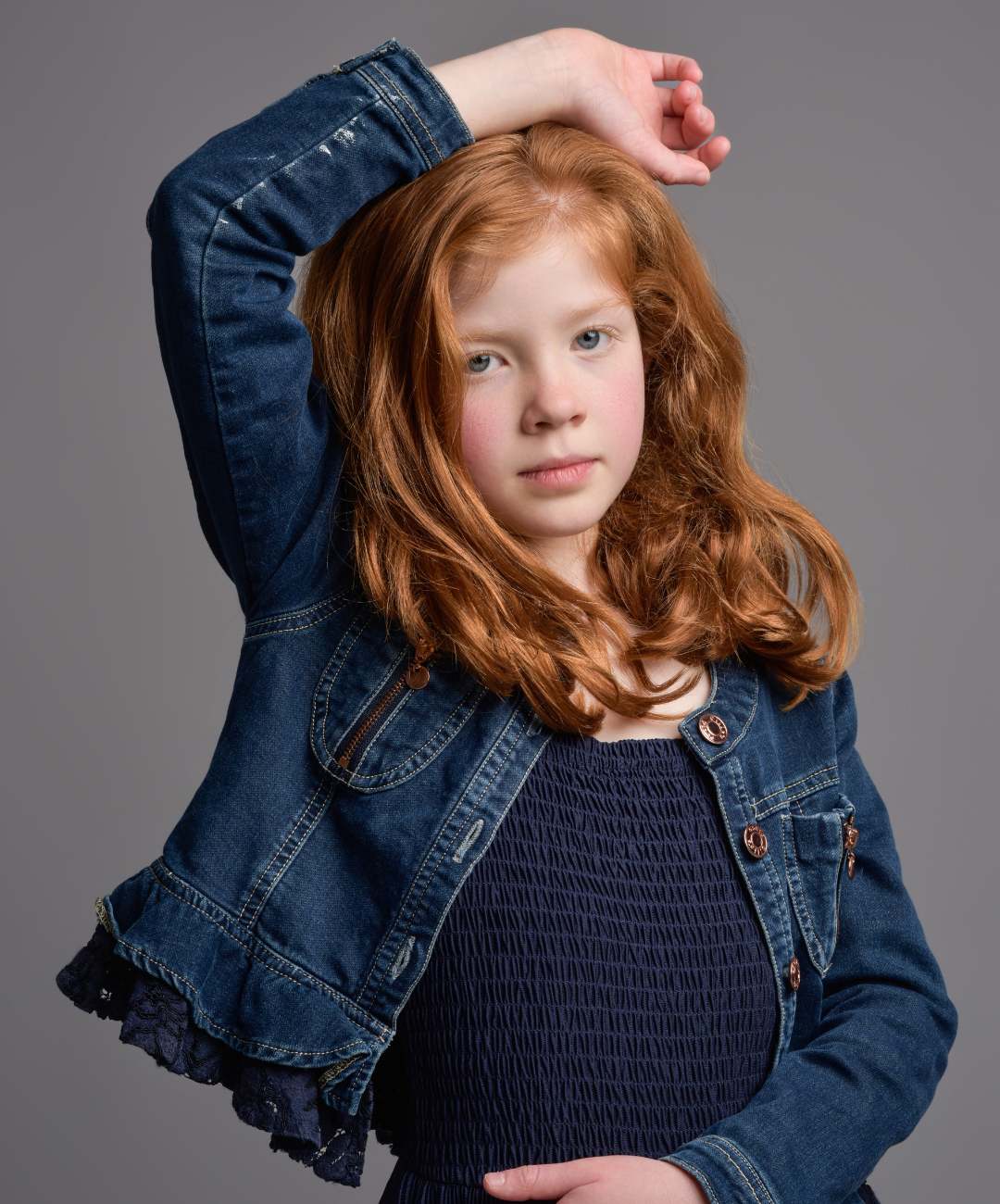
None of these needs a social media account.
The real risk the ban is trying to address
Children who model or act are, by definition, children whose faces are already out in the world: in catalogues, on TV, on billboards. That’s exactly why their online footprint deserves extra care.
Regulators were worried about algorithm-driven feeds, strangers contacting minors directly, and the pressure of likes and comparison. For young performers, those risks are often higher, not lower.
A professional agency acts as a buffer. Clients, casting directors and production companies contact the agency, not your child. That’s not a workaround to the ban. It’s how child talent has always been protected.
What parents *can* do online (safely)
If you already share your child’s milestones on your own account, the law doesn’t stop that. But if you’re sharing their work, keep it professional:
What about UGC and influencer work for kids?
User Generated Content (UGC) and influencer-style jobs have grown quickly over the last few years. Some brands now book children for UGC-style content: short, natural videos filmed at home.
The ban changes how that work is set up. A child no longer posts the content to their own channel. The brand posts it, or a parent’s account does, under a proper contract. That’s actually safer: clearer usage terms, clearer payment, and an adult in charge of approvals. If a brand approaches your family directly and wants your child to post on their own account, that’s a red flag. Talk to your agent.
Your summer checklist (December–January)
The school holidays are a busy time for many families, and a great time to get organised before the new year:
✅ Update your child’s photos. If they’ve lost teeth, had a haircut or grown, their agency photos need to show it.
✅ Tell your agent your holiday availability, including any dates you’re away.
✅ Do a practice self-tape at home. Natural light, plain background, phone held horizontally.
✅ Have a family chat about online safety. Talk about who your child can message, what’s okay to share and why.
✅ Check your child’s work permits or employment requirements for your state before the new year.
The bottom line
The social media ban hasn’t closed the door on children’s modelling and acting careers in Australia. If anything, it’s a reminder of what has always mattered: a professional agency, great up-to-date photos, solid audition skills and a family that keeps things safe and fun.